Do California Teachers Pay Into Social Security? Here’s What You Actually Get in Retirement
If you’re a teacher in California, chances are you’ve asked yourself one of these questions:
- Do California teachers pay into Social Security?
- Do teachers get Social Security in California?
- Do teachers collect Social Security at retirement?
These are important questions—because the answers directly affect your long-term retirement income. And with recent federal law changes shaking things up, understanding how your pension and Social Security now work together matters more than ever.
Let’s break it down clearly, without the confusion.
Key Takeaways for California Teachers
- Most California teachers do NOT pay into Social Security through teaching
- You can receive Social Security if you worked in covered jobs
- Old benefit penalties (WEP & GPO) are now repealed
- You may be eligible for:
- Full personal Social Security
- Full spousal benefits
- Full survivor benefits
- Full personal Social Security
- CalSTRS + Social Security together can create a much stronger retirement
Do California Teachers Pay Into Social Security?
Short answer: Most California teachers do NOT pay into Social Security through their teaching job.
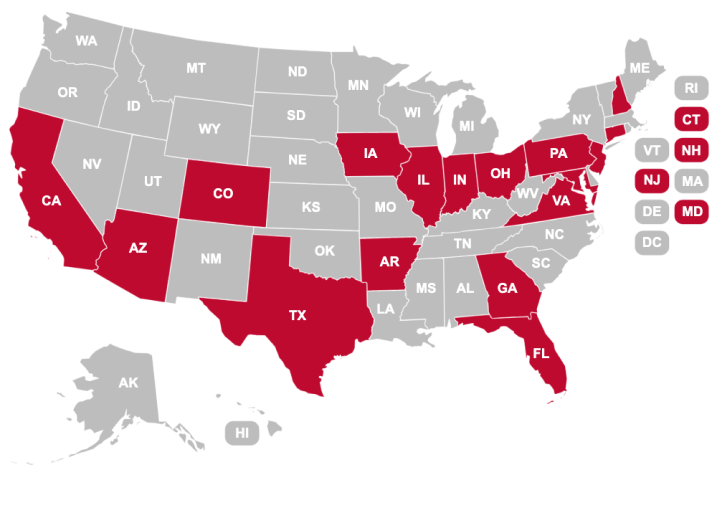
California is one of only a handful of states where public school teachers are excluded from Social Security payroll taxes. Instead of contributing 6.2% of your paycheck to Social Security, your retirement contributions go into:
- CalSTRS (California State Teachers’ Retirement System)
This means:
- No Social Security tax is withheld from your teacher paycheck
- You earn pension credits, not Social Security work credits
- Your primary retirement income comes from CalSTRS, not Social Security
This setup works very well for career educators—but it becomes complicated if you worked outside education at any point.
Do Teachers Get Social Security in California?
This is where things get nuanced.
You MAY get Social Security if:
You worked in non-teaching jobs where Social Security taxes were withheld, such as:
- Private sector jobs
- Summer employment
- Second careers before or after teaching
- Military service
- Federal or corporate roles
If you earned at least 40 work credits (about 10 years of Social Security-covered work), you qualify for Social Security retirement benefits.
You likely WON’T get Social Security if:
- You spent your entire career only in California public schools
- You never paid into Social Security elsewhere
- You relied solely on CalSTRS for retirement credits
In that case, your retirement income comes from:
- Your CalSTRS defined benefit pension
- Any 403(b), 457, or personal investments
Do California Teachers Collect Social Security If They Have a Pension?
Until very recently, even teachers who did qualify for Social Security often received reduced benefits because of two federal rules:
- Windfall Elimination Provision (WEP)
- Government Pension Offset (GPO)
These laws reduced or wiped out:
- Your own Social Security benefit
- Your spousal benefits
- Your survivor benefits
But this has now changed.
Major Update: Social Security Fairness Act Changes Everything
A new federal law the Social Security Fairness Act has repealed both:
- Windfall Elimination Provision (WEP)
- Government Pension Offset (GPO)
This is a massive win for California teachers who worked outside education at any point in their career.
What This Means for You Now
If you qualify for Social Security from non-teaching work, you may now receive:
- Your FULL Social Security retirement benefit
- Full spousal benefits
- Full survivor benefits
- No pension-related penalty reductions
For many retired and near-retirement teachers, this can mean hundreds of dollars more per month in guaranteed income.
Real-Life Scenarios for California Teachers
Scenario 1: Career-Only Teacher
You taught in California public schools for 30 years and never worked elsewhere.
- You receive CalSTRS pension
- You do NOT receive Social Security
- You rely on pension + personal savings
Scenario 2: Teacher With Prior Private Career
You worked 12 years in corporate America before teaching.
- You qualify for Social Security
- You receive full CalSTRS pension
- You now receive full Social Security with no WEP penalty
Scenario 3: Married to a Social Security Worker
Your spouse worked 35 years in private industry.
- You may receive full spousal benefit
- If your spouse passes, full survivor benefits may apply
- No more GPO reduction
How This Impacts Your Retirement Planning as a Teacher
This change affects much more than just monthly income:
- Retirement timing decisions
- Spousal income planning
- Survivor income security
- Tax planning
- Required minimum distributions
- Medicare coordination
Many California teachers are now discovering income they never expected to receive but only if they file correctly and time it properly.
Why Many Teachers Still Make Costly Mistakes
Even with the new law in place, many teachers:
- File too early
- Miss hidden spousal benefits
- Trigger avoidable tax penalties
- Fail to coordinate CalSTRS with Social Security
- Leave survivor income unprotected
These mistakes can cost tens of thousands of dollars over retirement.
Understand Your Retirement Benefits More Effectively as a California Educator
For California educators, retirement benefits are shaped by multiple systems that follow different rules. CalSTRS provides the core pension benefit, while Social Security eligibility depends on work performed outside the classroom.
With the repeal of WEP and GPO, many long-held assumptions about reduced or unavailable Social Security benefits are no longer accurate. As a result, understanding retirement income now requires reviewing teaching service, outside employment history, and benefit-claiming rules together.
At State Pension Advisors, we focus on helping California educators understand how these benefits work together so retirement decisions are based on current law and accurate information.
Schedule a consultation today and take a confident step towards a better financial future!
Final Thoughts for California Educators
If you’ve ever wondered, “Do California teachers get Social Security?” the real answer is:
Some do. Many now get more than they ever expected. But only if the strategy is done right.
Your pension is strong. But when combined correctly with Social Security and personal savings, it can become truly powerful.
Content Reference Names
- Social Security Administration (SSA) – Official source for eligibility, work credits, spousal and survivor benefit rules.
- California State Teachers’ Retirement System (CalSTRS) – Primary pension system for California public school educators.
- Social Security Fairness Act – Federal legislation repealing the Windfall Elimination Provision (WEP) and Government Pension Offset (GPO).
- National Education Association (NEA) – National advocacy body for public education employees.
- U.S. Department of Social Security Policy & Legislation – Federal policy interpretation and implementation guidance.
Content Disclaimer
This content is provided for general informational and educational purposes only and should not be considered financial, legal, or retirement planning advice. Rules governing Social Security, CalSTRS benefits, and federal retirement programs are subject to change and may vary based on individual circumstances. Readers are encouraged to consult with a licensed retirement planner, financial advisor, or official government agency before making any retirement, pension, or Social Security-related decisions.

Jeremy Haug
Jeremy contributes regularly to State Pension Advisors. With a deep understanding of state pension systems and public-sector benefits, he offers readers insights and strategies to optimize their retirement outcomes.



%20Contribution%20Limits%20Explained.jpg)




.png)
.png)



%20Plans%20for%20State%20Employees.jpg)
%20Employer%20Contribution%20Explained.jpg)